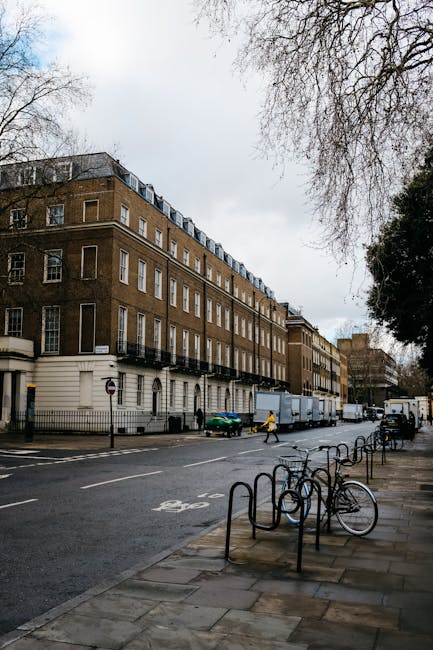
Mayfair removals guide for Berkeley Square homes
Moving out of a Berkeley Square property is rarely a simple lift-and-load job. The streets are elegant, the buildings can be highly individual, and the logistics often need more thought than people expect. This Mayfair removals guide for Berkeley Square homes is here to make the process feel less daunting and much more manageable. Whether you are planning a full household move, a partial relocation, or a carefully timed move around work and family life, the details matter. A lot.
In practice, the best removals in this part of Mayfair come down to preparation, access planning, packing discipline, and choosing the right service level for the property. You will also want to think about parking, building rules, fragile items, lift access, and the timing of the move itself. In other words, the glamorous address does not remove the hard work. It just changes the shape of it.
This guide walks through what Berkeley Square homeowners and tenants actually need to know, from the first checklist to the final box. If you want a broader view of residential help, you may also find home moving services and house removalists useful when comparing support options.
Expert summary: Berkeley Square removals are easiest when you treat them like a small project, not an ordinary move. Plan access first, then packing, then transport, then the handover. That order saves stress.
Table of Contents
- Why this guide matters
- How the Berkeley Square removals process works
- Key benefits and practical advantages
- Who this is for and when it makes sense
- Step-by-step guidance
- Expert tips for better results
- Common mistakes to avoid
- Tools, resources and recommendations
- Law, compliance, standards and best practice
- Options and comparison table
- Case study or real-world example
- Practical checklist
- Conclusion
- Frequently asked questions
Why this guide matters
Berkeley Square homes sit in one of the most recognisable corners of Mayfair, which means the movement of furniture, boxes, and appliances is rarely straightforward. The area is busy, refined, and often tightly controlled by building managers, residents' associations, concierge teams, or lease terms. That matters because removals are not just about carrying things out the front door. They involve timing, access, care, and coordination.
If you are moving from a period townhouse, a lateral apartment, or a serviced residence nearby, you may run into tight stairwells, limited loading opportunities, or strict instructions about protecting common areas. Some homes are deceptively tricky. A wide hallway can still have a narrow bend. A lift can be available, then suddenly not. You know how it goes.
This is why a dedicated guide is useful. It helps you think through the move before the first box is taped shut. It also helps you compare whether a smaller moving team, a dedicated van, or a more complete removal service is the better fit. If the job is light and straightforward, a man and van service or man with van support may be enough. If it is a full household move with valuable furniture, you may need something more structured.
The other reason this matters is simple: costly mistakes happen when people underestimate the move. Damaged frames, blocked entrances, rushed packing, and poor timing all tend to create avoidable stress. Not fun, and very preventable.
How the Berkeley Square removals process works
Good removals in Berkeley Square usually follow a clear sequence. First comes the survey or assessment. Then access planning. Then packing and protection. Then the move itself. Then unpacking and final checks. It sounds basic, but the order is everything.
For a typical Mayfair property move, the team will want to understand what is being moved, what can be dismantled, whether fragile items need extra wrapping, and whether there are restrictions on vehicle size or arrival times. If a larger lorry is not practical, a smaller vehicle may be a better fit. For that reason, many customers compare a moving truck with removal truck hire before confirming the booking.
In well-run moves, the mover also thinks about the fabric of the building. Floors, bannisters, communal walls, and entrances should be protected. A decent team will bring blankets, wraps, straps, and proper handling equipment. That quiet professionalism is what you want. The move should feel calm, not dramatic. If there is a lot of clattering in the hallway at 7:30 in the morning, something has probably gone wrong.
There is also the question of packing. Some people handle everything themselves, while others choose help for kitchens, wardrobes, artwork, and fragile objects. If you want a less frantic packing day, consider packing and unpacking services. Truth be told, that single decision can change the whole mood of the move.
Key benefits and practical advantages
Using a structured removals approach for Berkeley Square homes gives you much more than transport. It creates control in a process that can otherwise feel messy. And yes, moving is messy enough already.
- Less disruption: A planned move reduces delays in hallways, lifts, and loading points.
- Better protection: Furniture, mirrors, marble pieces, and artwork are less likely to be scratched or knocked.
- Clearer timing: When access and packing are mapped properly, the day runs more smoothly.
- Fewer surprises: You can identify awkward items, parking issues, and access limits before moving day.
- Lower stress: There is a real difference between chaotic and well-managed. You feel it immediately.
Another major advantage is choice. Berkeley Square homes vary widely in layout and contents, so one-size-fits-all removals rarely make sense. Some people only need a small local move. Others need furniture dismantling, secure loading, and careful delivery across London. The right service level depends on the property, the contents, and how much you want handled for you.
If you have a home with mixed items and a slightly awkward access route, a hybrid approach can work well: a removal team for the heavy lifting, plus packing support for the fragile or awkward items. Simple, but effective.
Who this is for and when it makes sense
This guide is for homeowners, tenants, landlords, executors, and property managers dealing with residential moves in or around Berkeley Square. It is especially relevant if your property includes valuable furnishings, fine art, antique pieces, or expensive fittings that deserve proper handling.
It also makes sense if you are moving on a tight timeline. For example, if a lease handover, refurbishment, sale completion, or managed occupancy change is coming up, you may not have the luxury of a long, drawn-out packing process. That is when a focused plan becomes more useful than a general idea of "we'll do it over the weekend".
Here are some common scenarios:
- You are downsizing from a larger Mayfair flat to a smaller nearby property.
- You need a careful move out of a period home with tight staircases.
- You are relocating after renovations and need furniture moved without damage.
- You have a few large items only, such as a sofa, wardrobe, and dining table.
- You are a landlord or agent arranging a turn-around move between tenancies.
For lighter jobs, a small vehicle and a few hands may be enough. For more substantial house moves, a full residential team is usually the safer bet. If you are unsure, start with the size of the load and the access constraints. That usually tells you more than people expect.
Step-by-step guidance
Here is the practical version. No fluff, just the sequence that tends to work.
- Walk through the property room by room. Make a list of everything moving, staying, donating, or being stored.
- Check access details early. Note stairs, lifts, front entrance width, loading restrictions, and any concierge or building rules.
- Sort fragile and valuable items first. Artwork, glass, lamps, records, and electronics deserve separate attention.
- Book the right vehicle and team size. A smaller move might suit a van-based service; a full household may need a larger vehicle or more crew.
- Pack by priority, not by mood. Start with off-season items, storage pieces, and rooms you use least.
- Label clearly. Write the room, contents, and any handling notes on every box. Slightly dull task, huge payoff.
- Protect floors and furniture. Use covers, wraps, and proper fastening for anything delicate or heavy.
- Confirm timing the day before. Recheck arrival windows, access instructions, and who will be present.
- Do a final sweep. Cupboards, drawers, loft spaces, and charging cables are the classic leftovers.
- Inspect on delivery. Check items off your list and report any concerns promptly.
A small but important detail: keep essential items with you. Passports, prescriptions, chargers, keys, and a change of clothes are better in a personal bag than in a moving box somewhere under the kettle. It sounds obvious until you need them.
Expert tips for better results
The moves that go best in Berkeley Square tend to be the ones where the client and mover share the same expectations. Sounds simple, but it saves a lot of friction.
1. Treat access like a priority, not an afterthought. A beautiful home can still have awkward access. Measure, photograph, and flag anything unusual in advance.
2. Use room-based packing. Keep items from each room together so unpacking feels logical. It also reduces the chance of a missing lamp shade turning up in the study box pile. Happens more often than you'd think.
3. Over-protect high-value finishes. Marble, polished wood, mirrored furniture, and brass details mark easily. Extra wrapping is cheaper than repair.
4. Time the move around the building rhythm. In Mayfair, quiet hours, concierge schedules, and neighbour sensitivities can all matter. The difference between a smooth start and a slightly awkward one is sometimes just twenty minutes.
5. Keep communication direct. One named contact for the mover, the building, and the resident makes everything easier.
If you are moving on a larger scale, it may help to think in terms of service layers. For example, some people combine residential moving support with storage or furniture pick-up for surplus items they do not want to take to the new place. That can tidy up the move nicely.
Common mistakes to avoid
The most common mistakes are rarely dramatic. They are small planning misses that snowball on moving day.
- Leaving access checks too late. This can cause delays, parking headaches, or the wrong vehicle being booked.
- Underestimating packing time. Kitchens alone can take far longer than people think.
- Not measuring bulky items. Sofas, bed frames, wardrobes, and statement pieces may need dismantling.
- Mixing essentials with general boxes. You do not want to search for a toothbrush in the "miscellaneous" pile.
- Skipping floor protection. Hallway damage in a high-spec property is a painful conversation nobody wants.
- Choosing the wrong service level. Too small a vehicle or too few hands can turn a manageable move into a long day.
One particularly common issue in Mayfair is assuming every route is straightforward because the postcode is central. Not always. A short distance can still involve loading challenges, narrow turning spaces, or building-specific rules. The address may be close to everything. The move may not be.
Tools, resources and recommendations
You do not need a warehouse of equipment to move well, but a few practical tools make a huge difference.
- Sturdy boxes: Choose consistent sizes where possible so stacking is safer.
- Packing paper and bubble wrap: Good for glassware, frames, and ornaments.
- Furniture blankets and covers: Useful for soft furniture and polished surfaces.
- Straps and ties: Helpful for securing items in transit.
- Labels and marker pens: Basic, but absolutely essential.
- Tool kit: Keep screwdrivers, Allen keys, and tape nearby for last-minute dismantling.
On the service side, some moves benefit from a smaller, more flexible setup, while others are better handled with a larger vehicle or a dedicated crew. If you need more capacity for furniture, boxes, or awkward items, look at moving truck options or removal truck hire. If the move is more compact, a man and van arrangement may be the sensible middle ground.
And if the job includes office overflow, documents, or business furniture alongside the home move, it may be worth separating those items into a different plan. Mixed moves get messy fast. Better to keep residential and business items clearly distinct.
Law, compliance, standards and best practice
For Berkeley Square removals, compliance is mostly about practical responsibility and respecting the rules that apply to your building, road access, and moving team. This is less about dramatic legal complexity and more about doing things properly.
For example, you should check any lease conditions, building move-in or move-out procedures, and restrictions relating to common parts of the property. Many central London buildings expect advance notice, protective measures, and specific lift or loading arrangements. That is normal, not annoying for the sake of it.
It is also sensible to follow general moving best practice around safe lifting, careful handling, and securing loads correctly. Heavy items should not be carried in a way that risks injury or damage. If a mover seems casual about that, it is fair to pause and ask questions.
Where household goods are concerned, good insurers and reputable movers usually expect reasonable packing standards and clear declarations for unusually valuable or fragile items. If you have artwork, antiques, or specialist pieces, tell the mover early. The worst time to mention a grand piano is halfway through loading. Yes, really.
In short, compliance here is about being organised, transparent, and considerate. That tends to produce the best result anyway.
Options and comparison table
Choosing the right moving method depends on the size of the property, the access, and how much help you want on the day. This quick comparison may help.
| Option | Best for | Typical strengths | Things to watch |
|---|---|---|---|
| Man and van | Small loads, single rooms, flexible local moves | Simple, quick, practical | May be limited for larger furniture or multiple trips |
| Full home move | Whole-property relocations, family homes, larger flats | More structure, better for complex loads | Needs stronger planning and coordination |
| Truck hire | Moves with more volume or bulkier items | More space and transport flexibility | Access and parking must be checked carefully |
| Packing support | Fragile kitchens, time-pressed clients, valuable contents | Reduces stress and improves protection | Needs advance planning and room-by-room coordination |
If you are moving a property that includes a mix of household and business contents, you may also need to compare with commercial moves or office relocation services. That is not as unusual as it sounds. A lot of central London households have work-from-home setups, document storage, or boutique business assets tucked in with the domestic furniture.
Case study or real-world example
A typical Berkeley Square move might involve a two-bedroom flat with a mix of modern furniture, a few antiques, artwork, and a fairly packed kitchen. The resident has a short moving window and a building that wants advance notice before any lift use. Nothing dramatic, just the usual Mayfair choreography.
In a move like that, the first win is sorting what actually needs to travel. A couple of items may be sold, one console table may be stored, and a few chairs could be moved separately. That immediately reduces clutter. Then the packing plan is split into zones: kitchen, wardrobes, study, decorative items. Fragile items are wrapped early, not left for the end when everyone is tired and someone says, "We'll just be careful." Famous last words.
On moving day, the team arrives at the agreed time, protects the common areas, and loads the larger pieces first. Smaller boxes follow in room order. The result is not flashy, but it works. By late afternoon, the new home is set up enough for the resident to find essentials, make tea, and actually breathe. That little moment matters. The move feels finished, not just transported.
What made it go well was not luck. It was preparation, clear communication, and choosing the right level of help for the property.
Practical checklist
Use this checklist as you get closer to moving day.
- Confirm moving date, arrival time, and access instructions.
- Check lift availability, stair access, and any building restrictions.
- Measure bulky furniture and awkward items.
- Decide what to keep, donate, store, or discard.
- Gather boxes, tape, labels, and protective materials.
- Pack valuables and essentials separately.
- Notify the mover about fragile, heavy, or specialist items.
- Protect floors, walls, and furniture finishes.
- Set aside keys, documents, chargers, and personal medication.
- Do a final walk-through before leaving the property.
- Check inventory items as they are unloaded.
- Keep a small first-night kit with tea, toiletries, and bedding.
This may feel like a lot on paper. In reality, it just means you are not leaving things to chance.
Get a free quote today and see how much you can save.
Conclusion
A move in Berkeley Square asks for more care than a standard local relocation, but it does not have to be stressful. Once you understand the access, pack with intention, and choose the right support level, the whole process becomes far more predictable. And that is what most people really want: not perfection, just a move that feels controlled and kind of calm.
If you are weighing up service options, start with the size of the load, the difficulty of access, and how much time you want to spend packing. From there, the choice usually becomes clearer. Some moves suit a small flexible setup; others deserve a full, careful team. Either way, a good plan pays off.
For many Berkeley Square homes, the difference between a rough move and a good one is a handful of smart decisions made early. That is the real takeaway. Small decisions, big relief. Simple as that.
Frequently Asked Questions
How far in advance should I book a Berkeley Square home removal?
As early as you reasonably can, especially if your property has building rules, access limits, or a fixed handover date. More lead time gives you room to organise packing and confirm the right vehicle and crew size.
Is a man and van service enough for a Berkeley Square flat?
Sometimes, yes. If you have a smaller load, limited furniture, and straightforward access, a smaller setup can work well. For a full household move, you may need something more structured.
What should I do about fragile or valuable items?
Set them aside early, pack them carefully, and tell the mover about them before moving day. Artwork, glass, mirrors, antiques, and electronics usually need more protection than standard boxes.
Do I need to check building rules before the move?
Yes. In central London buildings, it is common to have access instructions, lift rules, or timing preferences. Checking early avoids last-minute stress and possible delays.
What is the best way to pack for a Mayfair home move?
Pack room by room, label clearly, and keep essentials separate. That approach makes loading smoother and unpacking much less chaotic. It is a bit methodical, but it works.
Can I combine furniture disposal with my removal?
Yes, many people do. If you have items you do not want to take to the new property, separating them out early can help. Services such as furniture pick-up may be useful for surplus items.
What if my property has awkward stairs or tight hallways?
That is exactly the sort of detail you should mention before booking. Measurements and photos help the mover decide whether extra handling support or a different vehicle would be better.
Should I choose packing services or pack myself?
If you have time, packing yourself can save money. If you are short on time or have a lot of fragile contents, packing and unpacking services can reduce stress significantly.
How do I avoid damage to floors and walls?
Use proper protection, keep pathways clear, and make sure the moving team knows where vulnerable surfaces are. In high-end homes, prevention is much easier than repair.
What is the main mistake people make with Berkeley Square removals?
Underestimating logistics. People often focus on boxes and forget access, timing, parking, and the actual shape of the building. That is where moves usually get complicated.
Can this guide help with office items or work equipment too?
Yes, especially if your home includes a study, studio, or mixed-use space. If your move is more business-heavy, compare your needs with commercial moves or office relocation services.
What should I keep with me on moving day?
Keep keys, documents, medication, chargers, basic toiletries, and a change of clothes with you. It saves a lot of frustration if the main boxes are delayed or loaded out of reach.